About



Music
Welcome Dr. Stanley Ralph Fink
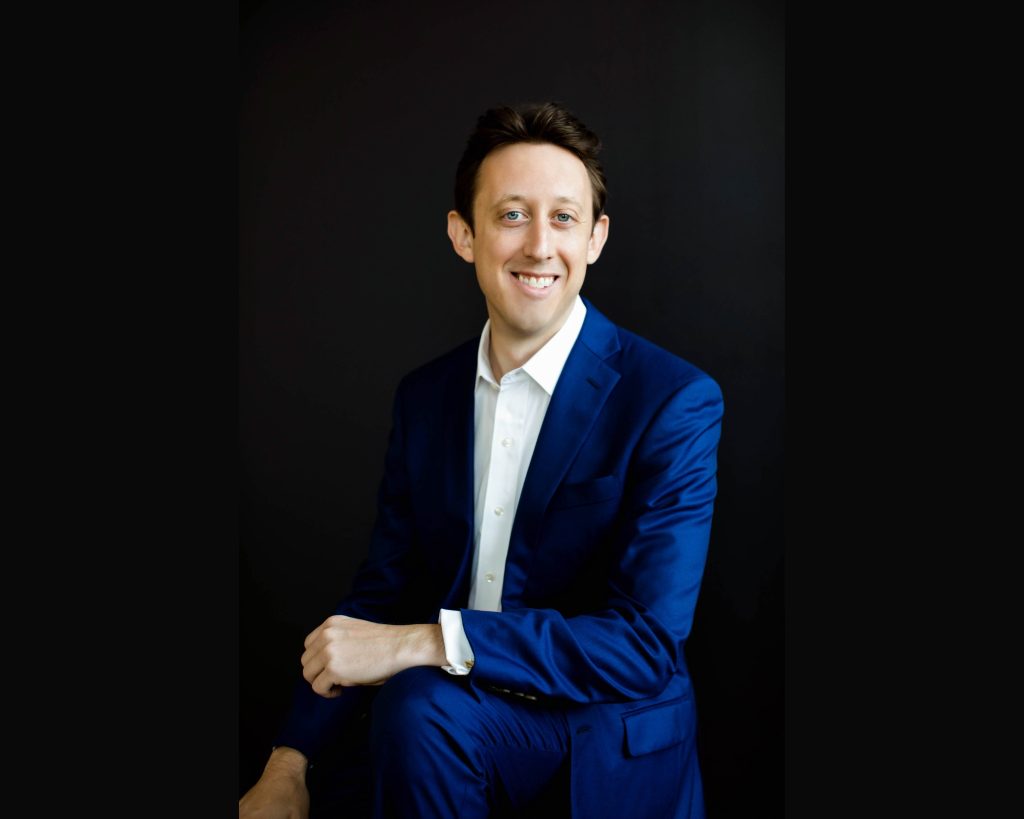
This fall, Dr. Stanley Ralph Fink joins the UIC School of Theatre and Music as a lecturer of music theory, bringing a background that spans music theory, performance, and research into opera and popular music. Fink’s work is driven by a curiosity about the ways music communicates meaning. Not only what we hear and how music works, but why it works the way it does. As a researcher, he explores twentieth- and twenty-first-century opera, musical representations of stigma and trauma, and form and harmony in popular music. As an educator, he draws on his experience as a pianist and répétiteur to connect music theory with the practical and interpretive work of making music. On Friday, September 25, Fink will bring these ideas to UIC’s Convocation, where he will discuss his research on Tesori and Thompson’s Blue and how music can shape the values and perspectives through which we experience a story.
Keep reading to hear more about Dr. Stanley Ralph Fink, his new role at UIC, and what he plans to share at his upcoming convocation talk.
What drew you to UIC, and what are you most excited about bringing to the School of Theatre and Music this year?
First and foremost, I was drawn to UIC because of its prioritization of access and empowerment for its students, something that resonates strongly with my own values. Getting to know the students, staff, and faculty, I came to realize that it is a wonderful community. I appreciate that the music theory sequence emphasizes aural ways of knowing. And, it’s also exciting to teach music theory in a city with such a great music scene.
This Friday, you will be speaking at Convocation. What do you plan on discussing, and how does it relate to your experience as a musician, educator, and researcher?
I will be sharing my analysis of a twenty-first century opera, showing how musical features such as tonality and repetitive accompanimental patterns (when considered alongside the opera’s narrative) can help align the audience with a particular value system—an effect that I compare to the sociological concept of “socialization.” This project relates directly to my interest in sociological readings of opera based in music analysis. This topic relates to my desire as both an educator and a musician to go beyond the “what” of music, and even the “how” of music, to get at the “why” of music.
Your research explores topics ranging from twentieth- and twenty-first-century opera to popular music and the ways music can represent stigma and trauma. What initially drew you to these areas of research, and what keeps you interested in them today?
I was drawn to opera by my experience as a répétiteur for opera productions. My interest in the ways music can represent stigma and trauma traces back to my fascination with the operas of Benjamin Britten, as so many of his operas deal directly or indirectly with these subjects. I was drawn to researching popular music through my lifelong curiosity about my enjoyment (even recreational enjoyment) of music. What keeps me interested in these topics? To that I would say that it’s hard to not remain captivated by the creative work being done in both the areas of opera and popular music these days.
You’ve performed as a répétiteur for numerous opera productions and have studied piano with several accomplished teachers. How has your experience as a performer shaped the way you approach music theory and teaching?
Opera forces us to go beyond abstraction, because it’s not just about the music, but also the words, the story, the staging, the acting, and so much more. As a researcher and teacher, I like to use opera to expand people’s notions of what music theory can be. In the classroom, I like to use my training as a pianist to demonstrate how an awareness of theoretical concepts opens up interpretative possibilities for performers.
When you look ahead to this year at UIC, what do you hope students take away from working with you in the classroom?
I hope to impart on my students the importance of the connection between what we hear and what we feel, especially as a way of decentering where power is located in the classroom. I am a big proponent of sharpening my students’ problem-solving skills and critical thinking skills. Particularly for my ear training and keyboard skills students, I intend to give them practical skills that will support them in their music-making. I see my classroom as a place where students can connect with each other through their shared enthusiasm for music, so I also hope my students forge and develop lifelong friendships.
Dr. Fink presents at UIC Music Convocation on Friday, September 25 at 2:00 PM. This talk is FREE and open to the public. Click the link below for more information.